


What is vitamin C good for?
It achieves this by assisting in the production and function of specialized immune cells, and protecting them from oxidative damage.
While most mammals are able to synthesize or even recycle their own vitamin C, humans cannot do this due to a mutation in a particular gene (neither can guinea pigs!), so we must obtain it from our diet alone. You are probably already well aware that the best sources of vitamin C are from citrus fruits, berries, cabbage, and other similar fruits and vegetables.
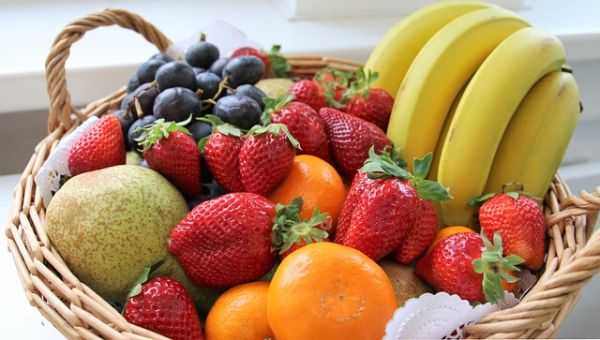
That said, achieving a decent daily intake of vitamin C with our modern lifestyles is easier said than done, so many people resort to vitamin C supplementation, either to ensure that the daily recommended amount is met, or otherwise to periodically reinforce and replenish their vitamin C levels during times of physical stress and illness.
Role in the immune system
In fact, research has looked at vitamin C supplementation in both mild and severe infections, including sepsis, COVID-19 and pneumonia.
There has been much discussion over the years regarding vitamin C's role in how our body deals with the flu or the common cold, and while studies show that vitamin C does not seem to possess preventative properties in this regard, it reduces how long the infection lasts, especially when vitamin C supplementation begins within the first 24 hours.
Furthermore, mucous membranes are one of the fundamental components of our immune system, providing protection in the respiratory tract, digestive tract, and many other parts of our body from pathogens, and vitamin C plays a key role in mucous production. Intake of vitamin C has been studied for mucous secretion, and for loosening existing mucous that could be obstructing pathways, as is the case in bronchitis for example.
Skin health
Vitamin C is also very popular within the context of skincare, which is due to a number of factors. Vitamin C's antioxidant properties are studied in the context of skin inflammation and protection from sun exposure, and vitamin C contributes to normal collagen formation, which in turn contributes to the normal function of the skin, and collagen is the most abundant protein in your body, forming the structural building block of our skin, bones, tendons, and other connective tissues.
This means that healthy vitamin C intake is associated with healthy, flexible and hydrated skin.
Role in brain health
While vitamin C research on the immune system and skin is relatively well known, a lesser known but no less important area of research is its role in the healthy functioning of our brain. Specifically, vitamin C deficiency has been associated with impaired memory and cognitive ability, and people who suffer from dementia have been found to have lower blood levels of vitamin C.
Conversely, high levels of vitamin C, achieved through either diet or supplementation, sit alongside memory and cognitive measures, something that becomes increasingly important to preserve as we age.
Role in cardiovascular health
The research on vitamin C and blood pressure is also of increasing interest. High blood pressure is a major driver of heart disease globally, and approximately one in three adults in the US currently has high blood pressure levels.
Research has looked at vitamin C intake and blood pressure, and it is thought to work by helping the blood vessels to relax.

Role in iron absorption
The absorption of iron is directly affected by the presence of vitamin C, as it assists in converting iron that has low bioavailability, such as plant-based sources of iron, into a form of iron that is easier for the body to absorb. Even a relatively small dose of 100mg of vitamin C has been shown to increase iron absorption.
This makes it especially valuable for people who follow diets that are naturally poor in iron, such as vegetarian or vegan diets, as meat accounts for a large amount of the iron that we obtain naturally.
Excessive iron absorption
However, it is important to emphasize that vitamin C supplementation is appropriate for enhancing the absorption of iron that is found in food naturally. High doses of vitamin C paired with high doses of supplemental iron could result in excessive iron intake, so make sure you are only pairing them if there is a good reason to do so, and you have confirmed your iron levels require boosting.
When should I take vitamin C?
Vitamin C is a water-soluble vitamin, which means that you don't need to take vitamin C supplements with a meal in order for them to be absorbed, and either with food or without is fine.
That said, it's easy to forget that vitamin C is actually an acid, technically speaking (ascorbic acid, to be precise), so you may prefer to take it with a meal if you experience any gastrointestinal side effects due to its acidity. Being able to take your supplements without having to deal with stomach upset is definitely the priority, and taking it on an empty stomach is not proven to provide an extra absorption boost.
What does vitamin C combine well with?
Iron with vitamin C, taken together, for absorption
As mentioned above, vitamin C taken in the same sitting as iron helps non-heme iron across the gut wall, so a glass of juice or a vitamin C capsule with the iron tablet is the useful pairing. Vitamin C also helps non-heme iron be absorbed from food, which is useful if you eat a plant-heavy diet and have a reason to raise iron.Vitamin C with vitamin E, taken together, for antioxidant protection
Vitamin C has a second job after its own antioxidant work: it puts oxidised vitamin E back to work, so the two belong in the same time slot when antioxidant cover is the point. A meal that contains fat suits them both, because that is how vitamin E is absorbed. Some manufacturers sell formulations that specifically combine vitamin C with vitamin E, along with vitamin A.Vitamin C with L-Carnitine, taken together, for cardiovascular support
L-carnitine is the usual companion to vitamin C when the aim is cardiovascular support, and the pair is kept together for exactly that reason. Animal studies have looked at vitamin C plus l-carnitine around the mucous that protects the stomach lining with promising results. L-carnitine has already been documented to achieve similar results when paired with zinc, for example.Vitamin C with Quercetin, taken together, for antioxidant support and increased absorption
The case for taking quercetin with vitamin C rests on antioxidant support, which the pair covers between the two of them. Vitamin C is also known to enhance the bioavailability of quercetin, which by itself is notoriously difficult for our bodies to absorb. For this same reason, you will often see quercetin paired with the enzyme bromelain, but vitamin C also serves this purpose, so you may want to combine quercetin with vitamin C in your schedule in order to get the most out of your quercetin.Vitamin C with L-Glutathione, taken together, for antioxidant protection
Combining vitamin C with glutathione is often discussed because the two antioxidants can recycle one another in the body, which is a biochemical partnership rather than a promise that a particular milligram stack will raise your red-cell count by a fixed percentage. High-dose vitamin C experiments in that area are mixed, so treat the pairing as optional rather than a protocol.Vitamin C with Pine Bark Extract, taken together, for antioxidant and circulation support
Research has looked at vitamin C with pine bark extract supplementation in migraine. Daily supplementation of vitamin C and pine bark extract over the course of three months was reported to reduce both the severity of migraines and how often they occurred.What else pairs well with vitamin C?
Also taken with zinc, for the immune system
While vitamin C and the common cold are much discussed, studies have also looked at combining vitamin C with zinc with promising results. That combination is one of the pairs the research looks at when it comes to how long an infection lasts.Also taken with L-arginine, for cardiovascular health
On this topic, when it comes to COVID-19 specifically, two particular issues associated with infection are oxidative stress and endothelial dysfunction, the latter meaning a reduction in the function of the inner lining of our blood vessels, which is needless to say of vital importance to our well-being.Studies have looked at a combination of vitamin C supplementation and l-arginine supplementation, and reported less oxidative stress and better endothelial function when compared to patients who took alternative yet similar combinations.
Also taken with collagen, for collagen synthesis
Vitamin C contributes to normal collagen formation and is involved in collagen synthesis, so taking vitamin C with collagen is a familiar pairing.Also taken with MSM, for joint health
You will also often see MSM bottled together with vitamin C because both show up in collagen and joint research.Also taken with astaxanthin, for antioxidant activity
Vitamin C's potent antioxidant properties have been shown to have an additive effect when combined with those of astaxanthin, a red-orange pigment that is found in certain aquatic animals such as salmon and lobster.The combination of vitamin C and astaxanthin was reported to show up in oxidative stress markers and in the function of white blood cells, which are an essential component of our immune system, with the antioxidant effects shown to be greater when vitamin C and astaxanthin were combined, than when they were taken separately.
Also taken with resveratrol & beta-glucan, for cell-function research
Vitamin C is also being studied in cancer, with one study that combined vitamin C with resveratrol and beta-glucan finding that the combination of all three had a much greater effect on cancer cell death and on the spread of cancer cells than when the individual components were taken by themselves.Also taken with omega-3, for reducing inflammation
Omega-3 fatty acids, such as those found in fish oil and krill oil, are studied alongside vitamin C for their antioxidant and anti-inflammatory properties.Also taken with L-lysine and L-proline, for cardiovascular health
The great Linus Pauling promoted an artery-cleaning protocol that involved taking large amounts of l-lysine, l-proline and vitamin C with the idea of supporting collagen in artery walls, and there is research that supports the theory behind the mechanism: l-lysine and l-proline serve to decrease the plaque while vitamin C ensures that the artery walls, or endothelium, remains smooth, as it is believed damaged (rough) artery walls are the principal trigger for plaque to accumulate within them.Also taken with l-glutathione, for antioxidants and inflammation
People take vitamin C with l-glutathione for antioxidants, inflammation, immune system and skin health, and each one is worth having on its own as well as alongside the other.Also taken with bee propolis, for immune system and antioxidants
Taken together, vitamin C and bee propolis cover immune system, antioxidants and skin health, so the two are usually kept side by side.Also taken with d-mannose, for urinary tract health
Vitamin C and d-mannose are paired for immune system, skin health and urinary tract health.Also taken with lactoferrin, for immune system and gut health
Vitamin C and lactoferrin are taken together because between them they cover immune system, skin health and gut health, with each one carrying a different part of that job.Also taken with diosmin and hesperidin, for circulation
Diosmin and hesperidin are popular companions to vitamin C when the aim is immune system, skin health and circulation.Also taken with cranberry extract, for urinary tract health and antioxidants
Cranberry extract is kept alongside vitamin C because the pair covers immune system, skin health, urinary tract health and antioxidants between the two of them, and each one brings something the other does not.Also taken with andrographis, for immune system and colds
Vitamin C and andrographis share a shelf because between them they cover immune system, skin health and colds.Also taken with cat's claw, for immune system and inflammation
Cat's claw rounds out vitamin C by covering immune system, skin health and inflammation, and the two make a natural combination for anyone already taking either.Also taken with gotu kola, for skin health and brain health
Between vitamin C and gotu kola, the pair covers immune system, skin health and brain health.Also taken with fish oil or krill oil, for heart health
People take vitamin C with fish oil, or the popular krill oil alternative, for heart health and the immune system, with krill oil bringing additional astaxanthin with it.Also taken with acetyl-l-carnitine, for brain and antioxidant support
Acetyl-l-carnitine, or ALCAR, is studied for brain energy metabolism, and vitamin C is the water-soluble antioxidant that helps keep other antioxidants in their active form. The two sit in one routine rather than one capsule, and the acetylated form is the brain-facing one while plain l-carnitine is the training form.What should I avoid taking vitamin C with?
Avoid taking vitamin C at the same time as copper
Copper and vitamin C can react with each other in the gut, and that reaction has been reported to generate free radicals rather than to help either nutrient.Avoid taking vitamin C at the same time as grape seed extract
Grape seed extract is a supplement people take for blood pressure, and the interaction sheets list the vitamin C pairing as one to separate, because the pair has been reported to push blood pressure up rather than down.Avoid taking vitamin C at the same time as chaga mushroom
Chaga extract is a mushroom powder with a documented case of kidney injury when it was taken alongside large vitamin C doses, and furthermore high vitamin C can raise oxalate levels in some people, which complicates kidney health further.What are natural sources of vitamin C?
If you are interested in obtaining your daily vitamin C through your diet, you can often find it in:
Vitamin C is predominantly found in citrus fruits, such as oranges, lemons and limes; and also kiwi fruit, mango, strawberries, blueberries and other types of berry. Certain vegetables, such as bell peppers, cabbage, potatoes, turnips, brussel sprouts, radishes, cauliflowers, broccoli and tomatoes are also rich in vitamin C.
Who should avoid taking vitamin C?
Before taking vitamin C supplements, check with your trusted healthcare professional if any of the following apply to you:
- Iron overload
- Kidney problems
- Kidney stones
People with iron overload
As mentioned above, vitamin C can increase absorption of non-heme iron. That is a problem for people with hereditary hemochromatosis, who are usually told to skip both iron and vitamin C supplements.In healthy people, extra vitamin C is not treated as a cause of iron overload, but if you have hereditary hemochromatosis you should avoid vitamin C supplements unless your doctor says otherwise.
People with kidney problems
High doses of vitamin C can increase the formation of oxalates, a type of crystal that can in turn contribute toward the formation kidney stones if left unchecked.Remember to always discuss any vitamins or supplements with your trusted healthcare professional if you are suffering from any health conditions.
Possible side effects of vitamin C
Possible side effects from taking vitamin C supplements may include (but are not limited to) the following:
- Diarrhea
- Heartburn
- Upset stomach
- Kidney stones
If you are experiencing negative side effects from taking vitamin C supplements, stop taking them immediately and reach out to your trusted healthcare professional.
Drug interactions with vitamin C
The medicines listed below are the ones most often named in interaction reports for vitamin C, but it is by no means a comprehensive list:
- Antacids
- Antibiotics
- Blood thinners
- Chemotherapy &
- Radiotherapy
- Hormone therapy
- Statins
Blood-thinning medication, chemo drugs or estrogen
Vitamin C is known to interact with certain medications, such as chemotherapy drugs, estrogen supplements and blood thinners.It is advised that you check with your doctor or pharmacist before taking vitamin C supplements to ensure that there are no potential side effects from any such medication.
Statins
A gram-level dose of vitamin C is worth mentioning to your doctor if you are on statins, as the research isn't clear yet on whether vitamin C could be interacting negatively with the medication.If you are taking any prescription drugs or medication, check with your trusted healthcare professional before taking vitamin C supplements.
Can I take vitamin C while pregnant or breastfeeding?
Vitamin C requirements rise to 85 mg a day during pregnancy and 120 mg while breastfeeding, although a prenatal multivitamin (or diet rich in citrus fruit) usually cover this need.
Remember to always discuss any vitamins or supplements with your trusted healthcare professional while pregnant or breastfeeding, or while attempting to conceive.
What are deficiency symptoms of vitamin C?
Possible signs of vitamin C deficiency may include (but are not limited to) the following:
- Tiredness
- Bleeding gums
- Poor wound healing
- Easy bruising
Scurvy is rare but not extinct in people who eat almost no fruit or vegetables. Tiredness and aching legs come first; then swollen bleeding gums and wounds that will not close.
If you are experiencing abnormal symptoms, reach out to your trusted healthcare professional as soon as possible.
Where should I store vitamin C?
For optimal shelf life, it is recommended to keep vitamin C supplements stored in the cupboard. Always make sure the bottle or container is tightly closed, and kept away from sources of light, heat and humidity.
One more thing regarding vitamin C
Prolonged vitamin C supplementation
If you have been taking high doses of vitamin C supplements for a prolonged period, you shouldn't cease supplementation suddenly, but instead taper off supplementation by gradually reducing the dose over the course of a few weeks, so that your body becomes gradually less acclimatized to the high dosage.Vitamin C dosage for smokers
Also, the recommended dietary allowance for vitamin C is actually higher if you are a smoker. For example, the National Institutes of Health in the US advises anyone that smokes to increase their daily vitamin C intake by an additional 35mg.Vitamin C data sources & further reading
- 1.
- 2.
- 3.
- 4.
- 5.
- 6.
- 7.
- 8.
- 9.
- 10.
- 11.
- 12.
- 13.
- 14.
- 15.
- 16.
- 17.
- 18.
- 19.
- 20.
- 21.
- 22.
- 23.
- 24.
- 25.
- 26.
- 27.
- 28.
- 29.
- 30.
- 31.
- 32.
- 33.
- 34.
- 35.
- 36.
- 37.
- 38.
- 39.
- 40.
- 41.
- 42.
- 43.
- 44.
- 45.
- 46.
- 47.
- 48.
- 49.
- 50.
- 51.
- 52.
- 53.
- 54.
- 55.
- 56.
- 57.
- 58.
- 59.
- 60.
- 61.
- 62.
- 63.
- 64.
- 65.
- 66.
- 67.
- 68.
- 69.
- 70.
- 71.
