


What is vitamin B12 (Cobalamin) good for?
Role in mental health
Vitamin B12 deficiency has been found to cause cognitive issues such as memory loss, especially in the elderly, and a study in 2019 found that B vitamins have an effect on our mood and on our ability to handle stress, both in healthy individuals and in people who suffer from mental health conditions.Furthermore, a review in 2020 found a direct link between lower levels of vitamin B12 and depression.
Red blood cell health
In terms of physical health, low levels of vitamin B12 are associated with a reduction in red blood cell formation, and also a reduction in the overall health of the red blood cells that are produced. Specifically, they change from the typical round representation we are familiar with to a more oval-shaped cell, as a result of their degraded quality.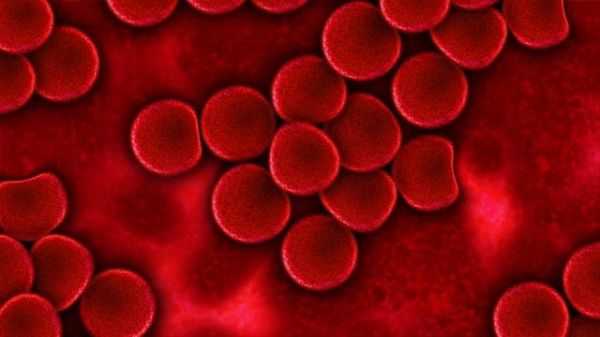
Role in bone health
There is also an emerging link between vitamin B12 deficiency and poor bone health, including an increased risk of osteoporosis and fracture, due to the role vitamin B12 plays in maintaining bone density.Importancy during pregnancy
And perhaps most importantly of all, decent levels of vitamin B12 are crucial for a healthy pregnancy, as low vitamin B12 levels in the early stages of pregnancy can increase the risk of birth defects, premature birth, or even miscarriage.Methylcobalamin and other B12 forms
Vitamin B12 is a family of cobalamins. Methylcobalamin (also known as methyl B12) and adenosylcobalamin are the forms your enzymes actually use, while cyanocobalamin and hydroxycobalamin are the precursor forms that become methylcobalamin and adenosylcobalamin after the body has converted them. Cyanocobalamin is a common formulation found in cheaper B12 and B-complex supplements, however methylcobalamin is the much more bioavailable form, so check the label to see which form of B12 a capsule provides before buying it.When should I take vitamin B12?
Vitamin B12 is one of several water-soluble vitamins, which means that you only need water in order to absorb them, and food is optional rather than required.
Due to its energizing properties and role in blood oxygenation, the useful habit is still to take vitamin B12 with an early meal such as breakfast or lunch, especially if it sits in a B-complex, rather than first thing on an empty stomach.
What else pairs well with vitamin B12?
Also taken with omega-3
While vitamin B12 is rather different from omega-3 supplements, such as fish oil and krill oil, ongoing research looks at how taking vitamin B12 together with this type of supplement can be beneficial.Also taken with ubiquinol, astaxanthin & vitamin D
There are other similar combinations that are being studied. For example, vitamin B12 combined with ubiquinol, astaxanthin and vitamin D are being studied for energy levels, athletic performance and muscle health, especially in people who follow a vegan or vegetarian diet that is naturally poor in such nutrients.Also taken with folic acid, garlic extract & L-arginine
On the topic of heart health, one study reported that a combination of vitamin B12 with vitamin B9 (folic acid), l-arginine and aged garlic extract provided promising results for atherosclerosis research and the vascular-function measures.Also taken with other B vitamins
B vitamins not only enhance each other's functions, but also depend upon one another for optimal absorption. Studies have shown that a combination of vitamins B1, B6, B9 and B12 has been studied in episodic migraines and vertebrae-related back pain, as one example.Also, vitamin B9 (folic acid) and vitamin B12 work together to produce the compound S-adenosylmethionine, which is involved in immune system function and also in mood regulation.
Another example is the combination of vitamins B6, B9 and B12, which work together to control blood levels of homocysteine, an amino acid which is associated with heart disease when found in high levels in the blood.
Also taken with TMG, for methylation
Vitamin B12 and TMG are paired for energy levels, mental health and methylation, with each one carrying its own half of the purpose.Also taken with SAMe, for methylation
Vitamin B12 and sAMe share a shelf because between them they cover methylation and energy levels, and that combined purpose is what the pair is known for.What should I avoid taking vitamin B12 with?
Avoid taking vitamin B12 at the same time as spirulina
It is not recommended to take spirulina together with vitamin B12 supplements. A study found that taking spirulina significantly reduced vitamin B12 levels in participants, and this is because the vitamin B12 "analogs" that are found in spirulina can actually hinder absorption of the real vitamin B12.This is why spirulina products are no longer allowed to be marketed as sources of vitamin B12, and it is also why vegans and vegetarians, along with people who have issues with vitamin B12 absorption, are advised to avoid taking spirulina products altogether.
What are natural sources of vitamin B12?
If you are interested in obtaining your daily vitamin B12 through your diet, you can often find it in:
Who should avoid taking vitamin B12?
Before taking vitamin B12 supplements, check with your trusted healthcare professional if any of the following apply to you:
- Neuropathy
Vitamin B12 has almost no toxicity, and the caution that survives is a narrow one: in Leber's hereditary optic neuropathy the cyanide carried by cyanocobalamin is best avoided, and the hydroxocobalamin form is the usual substitute.
Remember to always discuss any vitamins or supplements with your trusted healthcare professional if you are suffering from any health conditions.
Possible side effects of vitamin B12
Possible side effects from taking vitamin B12 supplements may include (but are not limited to) the following:
- Acne-like rash (rare)
If you are experiencing negative side effects from taking vitamin B12 supplements, stop taking them immediately and reach out to your trusted healthcare professional.
Drug interactions with vitamin B12
The medicines listed below are the ones most often named in interaction reports for vitamin B12, but it is by no means a comprehensive list:
- Antacids
- Diabetes medicines
If you are taking any prescription drugs or medication, check with your trusted healthcare professional before taking vitamin B12 supplements.
Can I take vitamin B12 while pregnant or breastfeeding?
Vitamin B12 is needed for your baby's nervous system, and the requirement rises to 2.6 mcg a day during pregnancy and 2.8 mcg while breastfeeding. A shortfall is more likely on a vegan diet, after bariatric surgery, or when taking long-term metformin or acid-suppressing medicines, and low B12 has been linked with neural tube defects.
A prenatal multivitamin usually carries enough, while an injection or high-dose tablet is an option when absorption is an issue.
Remember to always discuss any vitamins or supplements with your trusted healthcare professional while pregnant or breastfeeding, or while attempting to conceive.
What are deficiency symptoms of vitamin B12?
Possible signs of vitamin B12 deficiency may include (but are not limited to) the following:
- Tiredness
- Sore tongue
- Pins and needles
- Balance trouble
- Memory trouble
Vegans, older people with low stomach acid or reduced absorption capacity, and anyone on metformin or acid-suppressants are the usual groups that are susceptible to vitamin B12 deficiency.
If you are experiencing abnormal symptoms, reach out to your trusted healthcare professional as soon as possible.
Where should I store vitamin B12?
For optimal shelf life, it is recommended to keep vitamin B12 supplements stored in the cupboard. Always make sure the bottle or container is tightly closed, and kept away from sources of light, heat and humidity.
Vitamin B12 data sources & further reading
- 1.
- 2.
- 3.
- 4.
- 5.
- 6.
- 7.
- 8.
- 9.
- 10.
- 11.
- 12.
- 13.
- 14.
- 15.
- 16.
- 17.
- 18.
- 19.
