


What is curcumin good for?
It is specifically the roots, or rather the rhizomes of turmeric, that are used to provide the spice that we frequently use in oriental cuisine. The rhizomes of turmeric look very much like those of ginger, and you would be forgiven for mistaking the two, at least until you cut them open to reveal the distinct, deep orange interior of the turmeric rhizomes.
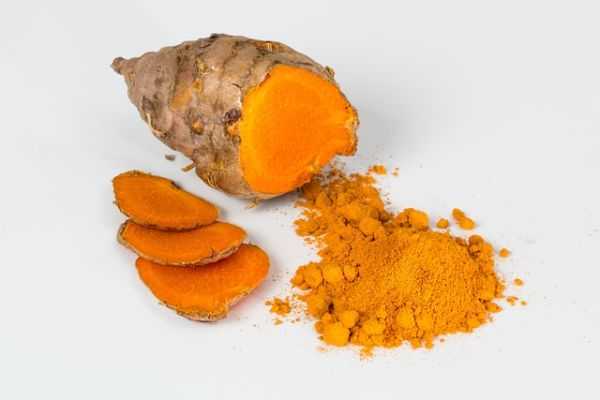
Aside from its applications in cuisine, turmeric has been used for millennia in medicine across many civilizations, including in Ayurvedic medicine and traditional Chinese medicine, in particular for its potent anti-inflammatory and antioxidant properties.
In modern times, research has looked at the curcuminoid compounds within turmeric across a wide range of health interests.
Role in cardiovascular health
For example, it has been studied for its effect on the endothelium, which is the thin lining of your blood vessels. A condition known as endothelial dysfunction occurs blood vessels are unable to properly regulate blood pressure, or effectively carry out blood clotting duties, or a variety of other vascular functions.
Other studies have looked at curcumin and heart health, including its effect on inflammation and oxidation, key drivers in heart disease.
Role in cancer research
From my perspective, it is curcumin's anticancer research that is its biggest claim to fame in health supplement circles.
Curcumin has been studied in several different forms of cancer in the laboratory, where it has been observed to affect cancer cell death, tumor growth, and cancer metastasis (in other words, the spread of cancer), with particular emphasis on the organs that curcumin comes into direct contact with, namely cancers of the digestive system.
Role in mental health
Curcumin has also been studied in mood research, where it has been looked at for its effect on serotonin and dopamine, on brain inflammation, and on brain plasticity. That is why it turns up in discussions about low mood, and its effect on inflammation and oxidative damage in the brain is also why it appears in Alzheimer's research.
Role in joint inflammation
Another popular application of curcumin is for people suffering from joint pain, joint inflammation and conditions such as osteoarthritis, which is a degradation of the cartilage in joints that serves to cushion the bones.
In one study, curcumin was measured against placebo for joint pain, with fewer adverse effects reported.
When should I take curcumin?
According to research, the exact time of day that you take curcumin doesn't actually have much of an effect on how well your body absorbs it. Despite this, taking curcumin with a meal is considered optimal, especially a meal that is rich in healthy fats, such as fish, fatty meat, nuts, seeds, avocados, and similar foods, as curcumin is actually fat-soluble.
What does curcumin combine well with?
Curcumin with piperine, taken together, for maximum absorption
As mentioned above, the main drawback of taking curcumin by itself is that it has low bioavailability, meaning that it is poorly absorbed during digestion, so a few formulations have been created to resolve this problem.For example, combining curcumin with piperine is known to drastically increase your body's ability to absorb the curcuminoid compounds, reaching a 2,000% increase in the case of curcumin itself.
Curcumin with black pepper, for increased absorption
In the absence of piperine supplements, you can always simply incorporate black pepper into whichever meal you are taking your curcumin supplement with. Black pepper's piperine content is only around 10%, compared to over 95% for some piperine supplement formulations, but it is certainly better than nothing.Curcumin with ginger, for inflammation
As mentioned above, it has been found that curcumin and ginger have an additive effect. In the absence of ginger root supplement, you can always choose to simply incorporate fresh or ground ginger into whichever meal you are taking your curcumin supplement with.What else pairs well with curcumin?
Also taken with bromelain, for inflammation and infections
It has been found that bromelain, an enzyme found in pineapple, substantially increases the bioavailability of curcumin when both are taken together.Furthermore, one recent study actually found that there is a possible synergistic effect when bromelain is paired with curcumin, in this case looking at respiratory infections such as COVID-19, and another study looked at the same combination in osteoarthritis, with inflammation, pain and disease progression all among the measures.
Also taken with boswellia extract, for inflammation
Another study that involved patients suffering from osteoarthritis tested a combination of curcumin and boswellic acid (the active compound found in boswellia extract) for 12 weeks, and also found that there was also a synergistic effect in the reduction of pain-related symptoms when combining these two supplements.Also taken with chondroitin, for osteoarthritis
One animal study involving rats with osteoarthritis of the knee showed that combining curcumin with chondroitin, one of the building blocks of joint cartilage, showed better results on the tissue measures than the control group, which used chondroitin alone.Also taken with quercetin and resveratrol, for antioxidant research
A combination of curcumin, quercetin and resveratrol has been tested for the combined antitumour properties of all three, and several in vitro studies looked at the effects of that combination.Also taken with ginger root, for inflammation
Ginger, which belongs to the same family as turmeric, shares many of the same anti-inflammatory and antioxidant properties, and it has been suggested that combining both can enhance their effects in a synergistic manner.One animal study was actually able to demonstrate that curcumin and ginger have an additive effect when it comes to combatting inflammation, for example.
Also taken with eggshell membrane, for joint health and inflammation
Eggshell membrane is the usual companion to curcumin when the aim is inflammation and joint health, and the pair is kept together for exactly that reason.Also taken with hyaluronic acid, for joint health and skin health
The case for taking hyaluronic acid with curcumin rests on inflammation, joint health and skin health, which the pair covers between the two of them.Also taken with luteolin, for antioxidants and inflammation
Luteolin is kept alongside curcumin because the pair covers inflammation, joint health and antioxidants between the two of them, and each one brings something the other does not.What are natural sources of curcumin?
If you are interested in obtaining your daily curcumin through your diet, you can often find it in:
Essentially, curcumin is only really found in turmeric, or at least the rhizomes of turmeric are the only source where curcumin can be found in any significant amount. Other members of the ginger family also contain curcuminoids, such as mango ginger, but in much smaller amounts by comparison.
Who should avoid taking curcumin?
Before taking curcumin supplements, check with your trusted healthcare professional if any of the following apply to you:
- Gallstones
- Bile duct disease
- Liver problems
Gallstones and the bile duct
Curcumin prompts your gallbladder to contract, so a gallstone that has caused pain or a blocked bile duct is the situation where a concentrated extract can bring on the colic it's meant to soothe.Liver problems
Your liver is the second caution: a small number of people have developed liver injury on high-dose curcumin capsules, often with a formulation that improves absorption, so a diagnosed liver condition or an unexplained enzyme rise is the moment to stop.Remember to always discuss any vitamins or supplements with your trusted healthcare professional if you are suffering from any health conditions.
Possible side effects of curcumin
Possible side effects from taking curcumin supplements may include (but are not limited to) the following:
- Reflux
- Diarrhea
- Liver injury (rare)
If you are experiencing negative side effects from taking curcumin supplements, stop taking them immediately and reach out to your trusted healthcare professional.
Drug interactions with curcumin
The medicines listed below are the ones most often named in interaction reports for curcumin, but it is by no means a comprehensive list:
- Blood thinners
- Chemotherapy & radiotherapy
- Diabetes medicines
Blood-thinning medication
People who are on blood-thinning medication or taking other blood-thinning drugs like aspirin, are advised to avoid taking curcumin supplements altogether, as the they could excessively enhance the drugs anticoagulant effects.Chemotherapy & radiotherapy
Curcumin affects several liver enzymes and has been studied as an addition to cancer treatment rather than as something to take around it, so the timing and the dose belong to the oncology team.If you are taking any prescription drugs or medication, check with your trusted healthcare professional before taking curcumin supplements.
Can I take curcumin while pregnant or breastfeeding?
Turmeric as a spice is ordinary during pregnancy, and the curcumin added to meals is a small amount that your body absorbs poorly. The concentrated extract with added absorption enhancers is a different product, with no human pregnancy trials, and animal work at high doses has shown uterine effects.
Remember to always discuss any vitamins or supplements with your trusted healthcare professional while pregnant or breastfeeding, or while attempting to conceive.
Where should I store curcumin?
For optimal shelf life, it is recommended to keep curcumin supplements stored in the cupboard. Always make sure the bottle or container is tightly closed, and kept away from sources of light, heat and humidity.
Curcumin data sources & further reading
- 1.
- 2.
- 3.
- 4.
- 5.
- 6.
- 7.
- 8.
- 9.
- 10.
- 11.
- 12.
- 13.
- 14.
- 15.
- 16.
- 17.
- 18.
- 19.
- 20.
- 21.
- 22.
- 23.
