


What is vitamin K good for?
Vitamin K deficiency
Vitamin K deficiency can result in bleeding problems, and an increased risk of bone fractures, among many other complications. Our body is able to produce a small amount of vitamin K by itself, however it needs to obtain most of it via dietary intake, through foods such as leafy greens, fish, meat, liver and eggs.Vitamin K1 & vitamin K2
The vitamin K group is divided into two main forms, which are called vitamin K1 and vitamin K2.Vitamin K1, also known as phylloquinone, is the primary form of dietary vitamin K, and is especially present in leafy greens such as collard greens, kale and spinach.
Vitamin K2, also known as menaquinone, is found mainly in animal-sourced foods, as well as some fermented foods, and it is also the type of vitamin K that our gut bacteria are able to produce in small amounts naturally.
Vitamin K2 is in turn divided into several subtypes, with the two most common being menaquinone-4, or MK-4, and menaquinone-7, or MK-7. This level of granularity can be an important factor in certain aspects of our health, which is why some vitamin K2 supplements specify the subtype, although MK-7 is generally the preferred form, as it has a longer half-life, increasing its bioavailability.
Role in blood clotting
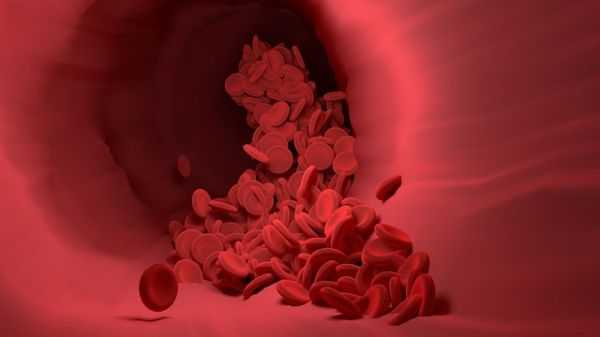
As mentioned above, vitamin K is critical for proper blood clotting, as it is required to make 4 of the 13 proteins that are required for blood clots to form, a crucial first step in wound repair.In fact, the name "K" in vitamin K comes from the German word "Koagulationsvitamin", quite literally "coagulation vitamin", as this is how it was named in a German scientific journal shortly after it was discovered.
Role in bone health
Vitamin K's role in our bone health is due to its role in osteocalcin production, which supports bone density. Vitamin K status is followed in bone research, where low intake is associated with conditions such as osteoporosis and osteopenia.Vitamin K also works together with vitamin D to distribute calcium properly throughout the body, and the two are often supplemented together to promote bone health for this purpose. More on that later.
Role in mental health
In addition to our physical health, vitamin K also appears to play a role in our mental health in research terms. For example, one study involving older adults found that those with the highest levels of vitamin K in their blood also scored highest on verbal episodic memory performance.When should I take vitamin K?
There is no specific time of day that appears to be best suited for taking vitamin K, however it is a fat-soluble vitamin, which means that in order for your body to properly absorb vitamin K supplements, they should be taken in combination with a meal, ideally one that contains dietary fat, such as fish, fatty meat, nuts, seeds, avocados, and similar foods.
What does vitamin K combine well with?
Vitamin K with ox bile, taken together, for fat-soluble absorption
If you're taking Ox bile, it belongs in the same sitting as vitamin K when the meal actually contains fat, because bile salts form the mixed micelles that carry vitamin K to the gut wall, facilitating absorption.Vitamin K with Vitamin D, taken together, for bone and calcium handling
Vitamin K and vitamin D are taken together because between them they cover bone and calcium handling, with each one carrying a different part of that job. As mentioned earlier in this article, vitamin D and vitamin K work together as a team to ensure calcium is distributed correctly throughout the body.One of vitamin D's primary functions is to ensure that your blood has adequate levels of calcium, while vitamin K promotes the accumulation of calcium in your bones (and not elsewhere), which is why a supplemental combination of vitamin D and vitamin K is a familiar pairing in bone-health supplements.
What should I avoid taking vitamin K with?
Avoid taking vitamin K at the same time as vitamin E
Vitamin K's effects could be reduced when taken in combination with vitamin E, due to the former being conducive toward blood clotting, while the latter is known to have a blood-thinning effect. It is advised to take them at least two hours apart in order to avoid them interfering with each other.This conflict between vitamin K's coagulant and vitamin E's anticoagulant mechanisms can be especially problematic for people who have been prescribed vitamin K supplementation explicitly for the purpose of assisting with blood clotting.
What are natural sources of vitamin K?
If you are interested in obtaining your daily vitamin K through your diet, you can often find it in:
Possible side effects of vitamin K
Possible side effects from taking vitamin K supplements may include (but are not limited to) the following:
- Rare allergic reaction
Vitamin K is part of how blood clots, so a new dose on warfarin can change how that medicine behaves, which is why that combination belongs with the clinician who already manages the warfarin.
If you are experiencing negative side effects from taking vitamin K supplements, stop taking them immediately and reach out to your trusted healthcare professional.
Drug interactions with vitamin K
The medicines listed below are the ones most often named in interaction reports for vitamin K, but it is by no means a comprehensive list:
- Blood thinners
Blood-thinning medication
As mentioned earlier, vitamin K's role in blood clotting means that it can have a serious and potentially dangerous interaction with anticoagulant or blood-thinning medication, so it is advised to avoid combining vitamin K with any such drugs.If you are taking any prescription drugs or medication, check with your trusted healthcare professional before taking vitamin K supplements.
Can I take vitamin K while pregnant or breastfeeding?
Vitamin K is needed for clotting, but the requirement doesn't rise much during pregnancy, with 90 mcg a day covering adult needs.
Remember to always discuss any vitamins or supplements with your trusted healthcare professional while pregnant or breastfeeding, or while attempting to conceive.
What are deficiency symptoms of vitamin K?
Possible signs of vitamin K deficiency may include (but are not limited to) the following:
- Easy bruising
- Bleeding
K is needed to clot. Do not change warfarin against a vitamin K tablet without the clinic that set the dose.
If you are experiencing abnormal symptoms, reach out to your trusted healthcare professional as soon as possible.
Where should I store vitamin K?
For optimal shelf life, it is recommended to keep vitamin K supplements stored in the cupboard. Always make sure the bottle or container is tightly closed, and kept away from sources of light, heat and humidity.
Vitamin K data sources & further reading
- 1.
- 2.
- 3.
- 4.
- 5.
- 6.
- 7.
- 8.
- 9.
- 10.
- 11.
- 12.
- 13.
- 14.
- 15.
- 16.
