


What is beta-glucan good for?
Cardiovascular health
As a soluble dietary fiber, beta-glucans have been linked to a range of health interests, such as immune system function, inflammation, and in particular cholesterol, which it affects by reducing your body's ability to absorb cholesterol in the digestive tract. In a similar fashion, it slows the absorption of sugar into your bloodstream, affecting blood sugar levels.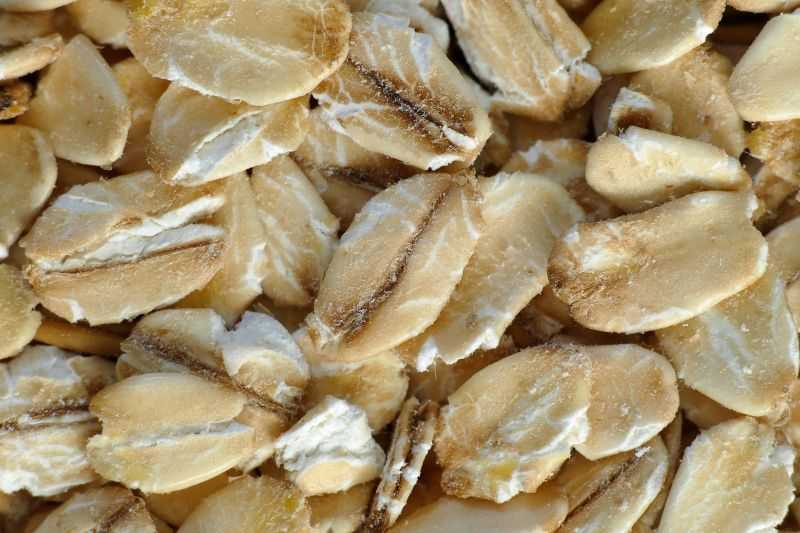
These combined effects are why beta-glucan is studied for cardiovascular health. One study found that taking 3g of beta-glucan daily for eight weeks was associated with lower LDL cholesterol, which is considered the bad cholesterol. Oat and barley beta-glucans contribute to the maintenance of normal blood cholesterol levels, and that authorised claim is tied to about 3 g a day.
Role in the immune system & antioxidant properties
Beta-glucan also has a high antioxidant content, which is why it is studied in relation to oxidative stress and inflammation, both of which are the main drivers of many chronic health conditions.As for the immune system, it is thought to work through the immune cells themselves, and the research keeps an eye on how they behave during the body's response to infection.
When should I take beta-glucan?
Beta-glucan is often taken on an empty stomach, in the first half of the day, so more of it can be absorbed.
What else pairs well with beta-glucan?
Also taken with vitamin C and resveratrol, for cell-function research
Research has looked at vitamin C and resveratrol combined with beta-glucan, particularly in cancer research.The combination of all three was reported to affect cancer cell death and tumor growth with more efficiency than when the components were each taken individually.
What are natural sources of beta-glucan?
If you are interested in obtaining your daily beta-glucan through your diet, you can often find it in:
Oats and barley in particular are very rich sources of beta-glucan.
Possible side effects of beta-glucan
Possible side effects from taking beta-glucan supplements may include (but are not limited to) the following:
- Gas
- Bloating
If you are experiencing negative side effects from taking beta-glucan supplements, stop taking them immediately and reach out to your trusted healthcare professional.
Drug interactions with beta-glucan
The medicines listed below are the ones most often named in interaction reports for beta-glucan, but it is by no means a comprehensive list:
- Blood thinners
- Immunosuppressants
- NSAIDs
NSAIDs or aspirin
Several animal studies reported that taking beta-glucan together with NSAIDs and aspirin can cause intestinal damage, so it is advisable to avoid combining these, just to be on the safe side.Immunosuppressants
Beta-glucan works by stimulating immune signaling, which is the opposite of what an immunosuppressant is trying to achieve, so check with your doctor first as the beta-glucan may interfere.If you are taking any prescription drugs or medication, check with your trusted healthcare professional before taking beta-glucan supplements.
Can I take beta-glucan while pregnant or breastfeeding?
Beta-glucan is a soluble fiber from oats, barley and yeast, and it's taken for cholesterol and gut health rather than for a nutrient requirement. Oats and barley are ordinary during pregnancy and the fiber helps with constipation, while a concentrated capsule can slow the absorption of minerals and medicines taken at the same time. There are no pregnancy trials of an isolated beta-glucan.
Remember to always discuss any vitamins or supplements with your trusted healthcare professional while pregnant or breastfeeding, or while attempting to conceive.
Where should I store beta-glucan?
For optimal shelf life, it is recommended to keep beta-glucan supplements stored in the cupboard. Always make sure the bottle or container is tightly closed, and kept away from sources of light, heat and humidity.
Beta-glucan data sources & further reading
- 1.
- 2.
- 3.
- 4.
- 5.
- 6.
- 7.
- 8.
- 9.
