


What is l-glutathione good for?
We are able to produce our own glutathione, specifically within the liver, unlike other antioxidants, but extra glutathione from food or a capsule is still being studied, and some people instead take NAC, which the body can use as a building block, rather than treating oral glutathione as a proven top-up. Interestingly, one study found that a single night of sleep deprivation was enough to significantly reduce the body's glutathione levels, along with levels of several other antioxidants.
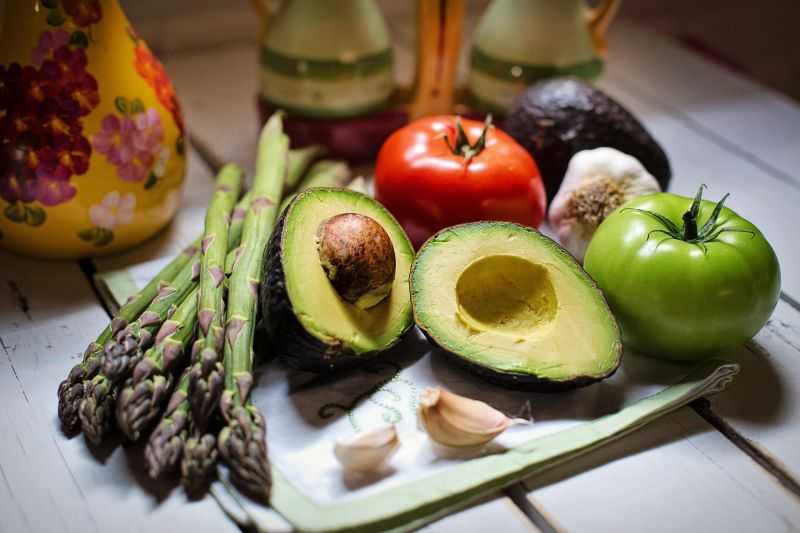
Areas of research for glutathione include cancer and insulin sensitivity, as well as oxidative stress and inflammation, which is a precursor to many health problems.
Role in insulin sensitivity
Regarding insulin sensitivity specifically, a small study performed in 2018 found that people who suffer from insulin resistance tend to have lower levels of glutathione, and this replicates the findings of an earlier 2013 study. A more recent study looked at raising glutathione levels with supplementation and blood sugar control in people with type 2 diabetes.
Role in inflammatory bowel disease research
Another study investigated the role of glutathione in inflammatory bowel disease, including conditions such as ulcerative colitis and Crohn's disease.
The researchers concluded that glutathione levels are lower in the inflamed sections of the colon compared to people who do not have inflammatory bowel disease, suggesting that glutathione could play an important role in the condition.
When should I take l-glutathione?
There does not appear to be a clear consensus regarding the best time of day for taking glutathione, however one study did reveal that people who took glutathione before a workout showed improved performance and reduced fatigue compared to those who did not take glutathione, so that is one thing to take into account if you are considering incorporating glutathione into your workout routine, although it is not habitually considered to be a "workout supplement".
Glutathione is often taken in the evening or at bedtime, at least two hours after your last meal, because that is a quieter slot for the stomach, and it is also when the body enters its self-repair mode, during which the presence of glutathione is most needed.
What does l-glutathione combine well with?
L-Glutathione with Vitamin C, taken together, for antioxidant protection
Vitamin C is the usual companion to l-glutathione when the aim is antioxidant protection, and the pair is kept together for exactly that reason. Combining vitamin C with glutathione is often discussed because the two antioxidants can recycle one another in the body. High-dose vitamin C experiments in that area are mixed, so treat the pairing as optional rather than a protocol.What else pairs well with l-glutathione?
Also taken with NAC, choline, TMG, vitamin B6, vitamin B9, vitamin B12 or vitamin C, for glutathione support
Glutathione is built from cysteine, which NAC supplies, and the enzymes that assemble it depend on methylation cofactors that include choline, TMG, vitamin B6, vitamin B9 and vitamin B12; vitamin C helps keep the finished molecule in its reduced, active form.What should I avoid taking l-glutathione with?
Avoid taking l-glutathione at the same time as selenium
It has been observed that lower levels of glutathione are linked with an increased absorption of selenium, so it is a good idea to take them separately in order to avoid any potential absorption issues.Avoid taking l-glutathione at the same time as alcohol
Consuming alcohol is thought to work against glutathione supplementation. One study reported that glutathione levels were lowered by as much as 80% to 90% in people who consumed alcohol regularly.What are natural sources of l-glutathione?
If you are interested in obtaining your daily l-glutathione through your diet, you can often find it in:
It's worth noting that even the richest direct sources of L-glutathione don't really offer us all that much of it. On one hand, our bodies don't do a great job of absorbing it, and on the other hand, storage conditions and the cooking process can reduce the amount of available L-glutathione to begin with.
The good news is that our body's supply of L-glutathione can be kept in check with the help of other compounds, which either assist in the production of glutathione, or simply help it carry out its functions more efficiently so that less glutathione is depleted. These include foods rich in selenium (brazil nuts, organ meats, beef), foods rich in vitamin C (citrus fruits, berries, peppers), and foods rich in sulfur (beef, chicken, dark leafy greens).
Possible side effects of l-glutathione
Possible side effects from taking l-glutathione supplements may include (but are not limited to) the following:
- Cramping
- Gas
If you are experiencing negative side effects from taking l-glutathione supplements, stop taking them immediately and reach out to your trusted healthcare professional.
Drug interactions with l-glutathione
The medicines listed below are the ones most often named in interaction reports for l-glutathione, but it is by no means a comprehensive list:
- Acetaminophen
- Chemotherapy & radiotherapy
Acetaminophen
Acetaminophen, also known as paracetamol or Tylenol, is also associated with a significant decrease in glutathione levels.Chemotherapy & radiotherapy
Glutathione is an antioxidant the body makes itself, and antioxidant supplements are usually kept clear of radiotherapy and of medicines that work by generating oxidative stress, because that is the very mechanism being used, so make sure to discuss this with your oncologist if you are currently undergoing treatment.If you are taking any prescription drugs or medication, check with your trusted healthcare professional before taking l-glutathione supplements.
Can I take l-glutathione while pregnant or breastfeeding?
Oral glutathione has little human pregnancy data, so the capsule adds an unmeasured variable rather than correcting a known shortage until more robust research appears.
Remember to always discuss any vitamins or supplements with your trusted healthcare professional while pregnant or breastfeeding, or while attempting to conceive.
Where should I store l-glutathione?
For optimal shelf life, it is recommended to keep l-glutathione supplements stored in the cupboard. Always make sure the bottle or container is tightly closed, and kept away from sources of light, heat and humidity.
One more thing regarding l-glutathione
S-acetyl and other glutathione forms
Plain oral L-glutathione is the usual name on the bottle, though how well reduced glutathione survives digestion is still debated. S-acetyl glutathione (sometimes sold as acetyl-L-glutathione) is a related form marketed for better oral uptake; liposomal glutathione and raising glutathione via NAC are other routes people use. Treat those as related options rather than identical tablets.L-glutathione data sources & further reading
- 1.
- 2.
- 3.
- 4.
- 5.
- 6.
- 7.
- 8.
