


What is psyllium husk good for?
Digestive health
One of its most common uses is as a laxative for constipation, although interestingly it is also used for diarrhea. In other words, it keeps stool formation steady rather than letting it sit at either extreme, while increasing stool moisture to facilitate their passage through the intestines.Psyllium husk is also used in inflammatory bowel disease (IBD) and irritable bowel syndrome (IBS).
Role in blood sugar & cholesterol levels
Apart from resolving digestive woes, research also looks at psyllium in other areas, especially our heart health.For example, psyllium has been looked at for fasting blood sugar levels and for cholesterol, which it does by literally binding to the cholesterol during the digestive process and allowing the body to excrete it before it is absorbed by the body back into the bloodstream.
Role in blood pressure
Psyllium is a water-soluble fiber, and in addition to its effect on blood pressure, these fibers are studied for blood triglyceride levels, which are one factor in heart disease.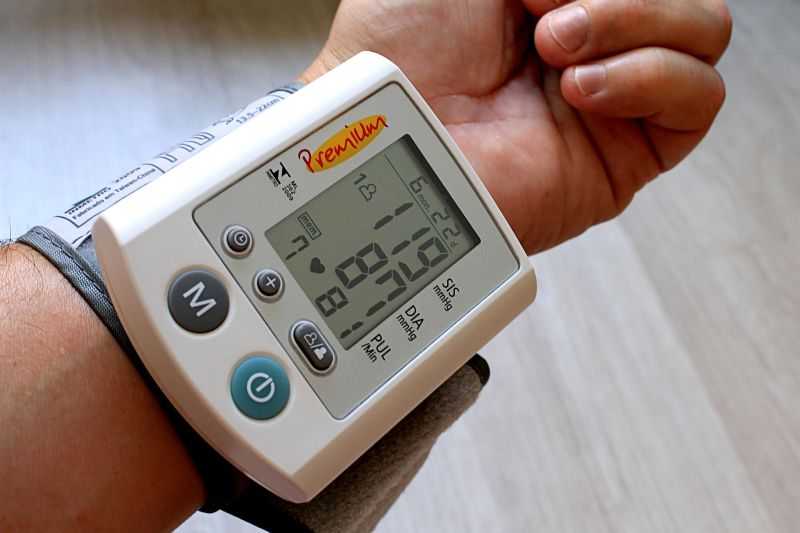
A review of 11 trials reported a reduction in systolic blood pressure with psyllium supplementation, with the authors noting it as an area of interest in blood pressure research.
When should I take psyllium husk?
Psyllium husk is best taken between meals, with a full glass of water, so the husk can swell into the gel that does the work in the gut. However, this thick gel can slightly slow down absorption of whatever shares the gut with it, so if you have the option to do so, it is best to take it separately from any other supplements. Oral medicines are usually recommended to be taken a couple of hours either side of psyllium husk as well for the same reason.
What should I avoid taking psyllium husk with?
Avoid taking psyllium husk at the same time as ox bile
The husk is a bile-acid binder, which means that it can interfere with the bile salts you take and negate their effect. Keep the psyllium husk and the bile salts a couple of hours apart, with the ox bile taken together with the meal it is meant to help, and the psyllium husk taken either some hours before or some hours afterwards.What are natural sources of psyllium husk?
Psyllium is the seed coat of Plantago ovata, a small plant grown in the dry northwest of India, where the seed is harvested and the thin outer husk milled off to give the pale powder sold as isabgol.
Stirred into water or milk and drunk before it can set, it is an ordinary household remedy there rather than a supplement, and it turns up in gluten-free breads and cereals for the fiber it brings.
Who should avoid taking psyllium husk?
Before taking psyllium husk supplements, check with your trusted healthcare professional if any of the following apply to you:
- Swallowing disorders
- Bowel obstruction
Swallowing and the bowel
Psyllium is a gel-forming fiber, so it needs a full glass of water and an unobstructed gut: a swallowing disorder, a narrowed esophagus or a history of bowel obstruction are the situations where the powder can do more harm than good.Remember to always discuss any vitamins or supplements with your trusted healthcare professional if you are suffering from any health conditions.
Possible side effects of psyllium husk
Possible side effects from taking psyllium husk supplements may include (but are not limited to) the following:
- Gas
- Bloating
Taken dry, a swelling fiber can choke, so it needs a full glass of water and should not be swallowed as a dry spoonful.
If you are experiencing negative side effects from taking psyllium husk supplements, stop taking them immediately and reach out to your trusted healthcare professional.
Drug interactions with psyllium husk
The medicines listed below are the ones most often named in interaction reports for psyllium husk, but it is by no means a comprehensive list:
- Digoxin
- Anticonvulsants
- Lithium
And as mentioned above, the other caution is timing, because the same gel that is formed by the husk can carry a medicine past its absorption window when the two are taken at the same time, so be sure to take psyllium husk supplements separately from any medication you are taking, at least two hours apart.
If you are taking any prescription drugs or medication, check with your trusted healthcare professional before taking psyllium husk supplements.
Can I take psyllium husk while pregnant or breastfeeding?
Psyllium is a soluble fiber taken for constipation, which is common during pregnancy, and it works by holding water in the stool. It needs a full glass of water, and it can slow the absorption of iron and other medicines that you may be taking at the same time, so be sure to pace them separately. Psyllium husk isn't absorbed into the bloodstream, so it doesn't reach your baby.
Remember to always discuss any vitamins or supplements with your trusted healthcare professional while pregnant or breastfeeding, or while attempting to conceive.
Where should I store psyllium husk?
For optimal shelf life, it is recommended to keep psyllium husk supplements stored in the cupboard. Always make sure the bottle or container is tightly closed, and kept away from sources of light, heat and humidity.
Psyllium husk data sources & further reading
- 1.
- 2.
- 3.
- 4.
- 5.
- 6.
- 7.
- 8.
- 9.
