


What is green tea extract good for?
Green tea is known to be especially rich in antioxidants, in particular catechins, which reduce oxidative stress in your body by protecting cells from being damaged by free radicals. It is this cell damage that is associated with so many chronic diseases.
Cardiovascular health
For example, oxidative stress increases fat buildup in your blood, which in turn promotes inflammation in your arteries, which in turn results in high blood pressure, which in turn can result in a number of health conditions, and potentially resulting in heart failure.
The antioxidants in green tea extract reduce this inflammation by inhibiting the cell's ability to absorb fat, which is studied for its effect on blood pressure.
Cell function
The antioxidants in green tea extract also seem to have favorable effects on the balance between cell production and cell death, a critical process that clears dysfunctional cells so they are replaced with new healthy cells as soon as possible.
Cancers and tumors can occur when this balance is disrupted, specifically when dysfunctional cells don't die when they should. Several studies have looked at green tea extract and cancer risk through this mechanism.
Role in metabolism research
Research is also looking at green tea extract and how the body handles energy. Both catechins and caffeine have been studied for their effect on the hormones involved in burning calories, and green tea extract is a common ingredient in products marketed for body composition.
When should I take green tea extract?
Green tea extract is recommended to be taken with a meal, as taking it on an empty stomach could result in a variety of side effects. Also, as it naturally contains caffeine, taking green tea extract earlier in the day will minimize the possibility of any disturbances to your sleep cycle.
For these two reasons, taking it with your breakfast or lunch is a practical default, not a law from a timing trial.
What does green tea extract combine well with?
Green tea is often discussed for mental health, and research has looked at whether certain combinations add to that.
What else pairs well with green tea extract?
Also taken with L-theanine for cognitive health
When combined with l-theanine, green tea extract has been studied for its effect on memory and attention in people with mild cognitive impairment.L-theanine is also found naturally in green tea, in low amounts, so the two are studied together.
Also taken with B vitamins, magnesium and rhodiola
A combination of green tea extract with magnesium, rhodiola extract and B vitamins was also studied for its effect on brain activity and attention in individuals under stress while performing cognitive tasks.What should I avoid taking green tea extract with?
Avoid taking green tea extract at the same time as iron
Some of the antioxidants found in green tea are known to bind to iron, which means that taking green tea extract together with iron supplements will reduce the absorption of both.To avoid this, take green tea extract and iron supplements separately, at least three hours apart.
Avoid taking green tea extract at the same time as DMAE
DMAE is taken for focus, and many people find it quietly activating, which is the same corner green tea extract occupies for a lot of people. Taking both at the same time can cause the stimulating effect to add up, so keep the green tea for the early afternoon and the DMAE with breakfast, and neither close to bedtime.Avoid taking green tea extract at the same time as caffeine tablets
Likewise, green tea extract is a capsule that carries caffeine as well as catechins, so taking it in the same hour as a caffeine tablet adds a caffeine boost you may not have taken into consideration.Alcohol
Concentrated green tea extract has, in rare cases, been linked to liver injury, and drinking alcohol across the same days adds to that load on the liver, so a high-dose capsule and regular drinking are worth keeping apart, even if the risk is small.What are natural sources of green tea extract?
If you are interested in obtaining your daily green tea extract through your diet, you can often find it in:
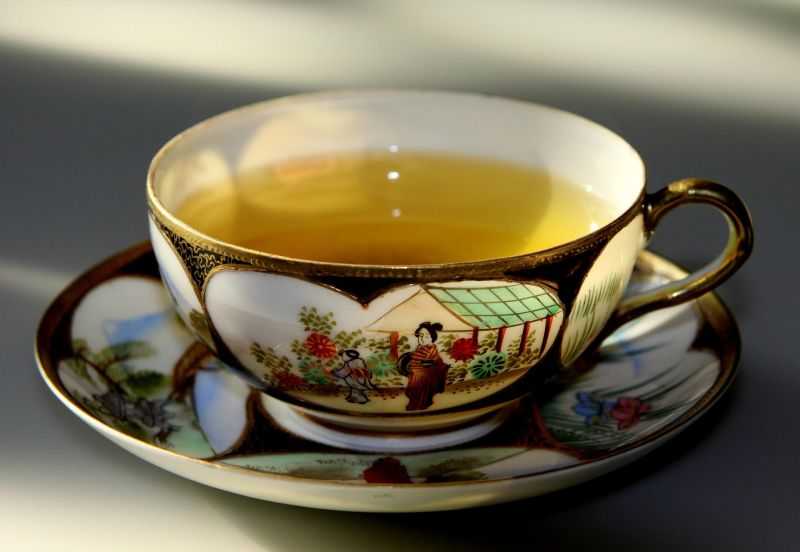
Green tea is the leaf of Camellia sinensis, picked young and dried quickly (so it skips the fermentation that turns the same leaf into black tea), then brewed in hot water and drunk plain with meals or between them. In Japan you also meet it as matcha, the powdered leaf whisked into water, so you drink the whole leaf rather than an infusion drawn from it, and that carries more catechins per serving than a steeped cup. A cup is a gentle, food-level way to take the same compounds, while a capsule holds a standardised amount that a cup or more would supply.
Who should avoid taking green tea extract?
Before taking green tea extract supplements, check with your trusted healthcare professional if any of the following apply to you:
- Liver problems
A liver condition already diagnosed, or a liver enzyme result under investigation, is the reason to stop the capsules rather than the tea, since the injury reports described in the side effects section concern a liver that is already under strain.
Remember to always discuss any vitamins or supplements with your trusted healthcare professional if you are suffering from any health conditions.
Possible side effects of green tea extract
Possible side effects from taking green tea extract supplements may include (but are not limited to) the following:
- Insomnia
- Jitter
- Liver injury (rare, high-dose extracts)
Liver injury is the rare report worth knowing about, with a small number of people on high-dose EGCG capsules developing liver trouble, which is why the concentrated capsule is a different proposition from a cup of tea. Tiredness that will not lift, nausea, dark urine or yellowing of the skin means stopping the capsules immediately and getting medical advice.
The caffeine is what most people feel first: jitteriness, a raised heart rate, insomnia and an unsettled stomach when the extract is taken together with coffee or an energy drink.
If you are experiencing negative side effects from taking green tea extract supplements, stop taking them immediately and reach out to your trusted healthcare professional.
Drug interactions with green tea extract
The medicines listed below are the ones most often named in interaction reports for green tea extract, but it is by no means a comprehensive list:
- Blood thinners
- Blood pressure medicines
- Chemotherapy & radiotherapy
- Stimulants
Blood-thinning medication
Some compounds in green tea extract are known to slow blood clotting, and could increase the effect of any blood-thinning medications, so they are advised to be taken separately.Chemotherapy & radiotherapy
Green tea extract concentrates catechins that can interfere with the enzymes and transporters some cancer medicines rely on, and oncology teams generally ask people to keep a concentrated extract off the routine during active treatment.If you are taking any prescription drugs or medication, check with your trusted healthcare professional before taking green tea extract supplements.
Can I take green tea extract while pregnant or breastfeeding?
The pregnancy data for green tea extract is absent, so you are better off avoiding it just to be on the safe side until further research appears.
Remember to always discuss any vitamins or supplements with your trusted healthcare professional while pregnant or breastfeeding, or while attempting to conceive.
Where should I store green tea extract?
For optimal shelf life, it is recommended to keep green tea extract supplements stored in the cupboard. Always make sure the bottle or container is tightly closed, and kept away from sources of light, heat and humidity.
Green tea extract data sources & further reading
- 1.
- 2.
- 3.
- 4.
- 5.
- 6.
- 7.
- 8.
- 9.
- 10.
- 11.
- 12.
